
Plywood Processing & Treatment in Thailand: The Ultimate Guide 2025
Introduction: Breaking the Information Barrier
For Bangkok construction contractors and Rayong furniture factories, overseas plywood sourcing can feel like a gamble. Will boards delaminate in rainy season? Is the core solid or hollow?
The answer lies not just in wood species, but in Processing Technology.
As a platform connecting Thai buyers directly with Chinese source factories, The Plywood Hub breaks this information barrier. We don’t just list products—we help you understand the technical standards that determine board lifespan, from glue chemistry to CNC precision. Learn to bypass middlemen and source like a pro from the origin.
1. The Chemistry of Durability: WBP Glue Standards
In Thailand’s tropical climate, humidity is wood’s greatest enemy. Many claim “Waterproof” boards, but our factory verification demands specific data: “How long can it survive the Boil Test?”
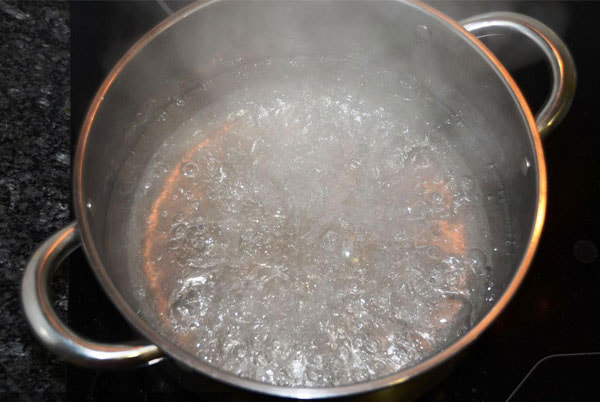
Our export-grade alliance factory standards:
MR (Moisture Resistant)
Economical option for dry indoor furniture or packing. Cannot withstand boiling water. Not recommended for Thai kitchens or wet areas.
Melamine WBP
Entry-level waterproofing standard. Boards withstand 8-10 hours boiling without delamination. Ideal for bathroom vanities and humid indoor areas.
Phenolic WBP (Gold Standard)
True “Marine” and “Structural” grade. Premium production guarantees 72+ hours boiling resistance. The only solution for high-rise formwork or exteriors in Thai monsoons.
2. Invisible Quality: Core Structure & Density
Strong glue is useless with a weak core. We filter Thai-market options into two density categories:
Option A: Poplar Core (Economic)
Density: ~530kg/m³
Characteristics: Lightweight, smooth, easy to cut
Ideal For: Interior furniture, lamination substrates, low-load shelving
Option B: Eucalyptus Core (Structural)
Density: ~600kg/m³ (High-Density Hardwood)
Characteristics: Extremely hard, high screw-holding power, heavy-duty
Ideal For: High-rise formwork, structural flooring, heavy machinery packaging
3. Insider Secrets: “One-Time Press” vs. “Two-Time Press”
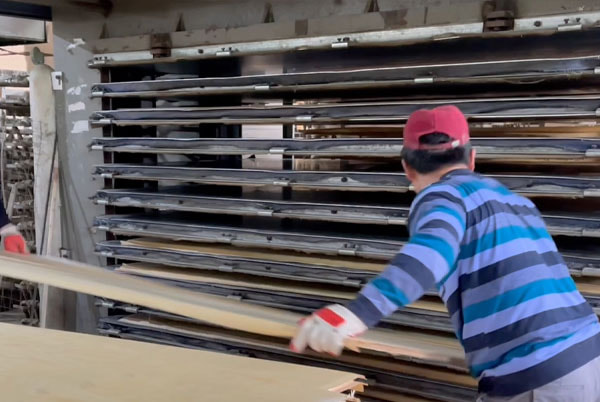
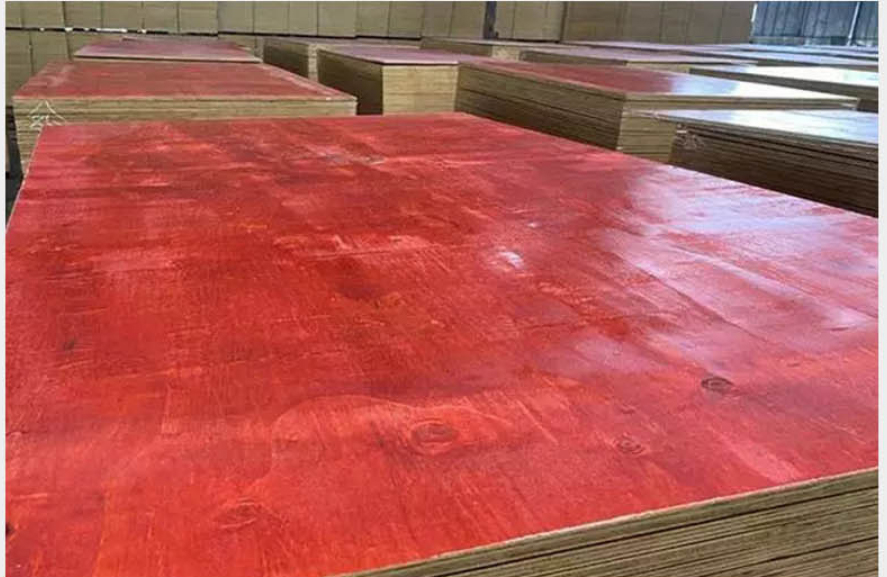
Why do similar-looking black film faced boards differ in price? The pressing process reveals all:
One-Time Press
Veneer glued and pressed once
Result: Thickness tolerance ±0.5mm
Lifespan: 4-6 uses. Budget-friendly for low-rise buildings
Two-Time Press (Calibration)
1. Base pressing; 2. Calibration sanding; 3. Face veneer pressing
Result: Mirror-smooth surface, tolerance ±0.2mm
Lifespan: 10-15 uses with Eucalyptus core. Lower cost per use despite higher unit price
4. Value-Added Services: CNC Precision (Saving Thai Labor)
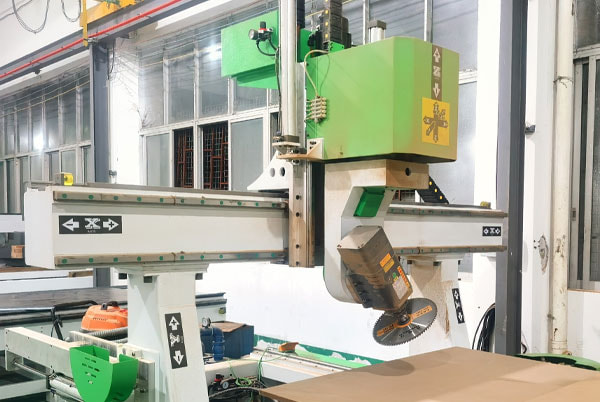
Our value extends to supply chain optimization. With rising Thai labor costs, why import raw sheets only to cut them manually?
We coordinate CNC value-added services with Chinese factories:
- Cut-to-Size: Precision cutting to exact furniture dimensions (±0.1mm tolerance)
- Routing & Shaping: Curves, slots, and holes processed before shipping
- Edge Sealing: Waterproof painting on edges to prevent moisture ingress
Receive ready-to-assemble components, not just raw materials.
5. Buyer’s Checklist: How to Verify Quality?
For total transparency, perform these “Destructive Tests” on any supplier’s samples or shipments:
- The Boil Test: Cut 10x10cm piece and boil. If it opens in under 2 hours, it’s not true WBP
- Check the Core: Saw board in middle. Look for voids or overlapping veneer. High-quality boards must be “Full Core”
- Weigh It: Density doesn’t lie. Standard 18mm Poplar: ~29kg; Eucalyptus: 36kg+
Conclusion: Reject Middlemen, Connect Directly to Factory
The Plywood Hub is not a reseller—we’re your bridge to China’s premium production capacity. We filter out unqualified workshops to connect you with factories delivering exactly what you order, whether budget packing boards or 72-hour boil-proof marine boards.
Ready to upgrade your sourcing channel?
Tell us your required standard. We’ll match you with the most suitable source factory and provide a transparent factory-direct quote.
🔥 Verified Products
-
 Score: 4.8 ★★★★★
 -
 Score: 4.9 ★★★★★
🏭 Recommended Factories
-
 ✅ Verified Partner


