
The Hidden Cost of “Standard” 4×8 Sheets: A Factory Guide to Plywood Sizes & Grades
[Introduction: The Money in Your Trash Bin]
When I visit furniture factories in Rayong or door manufacturers in Samut Sakhon, the first thing I look at is not their machines, but their garbage pile.
Often, I see huge stacks of plywood strips—30cm wide, 60cm wide—being thrown away or burned. The factory owner tells me, “That’s just normal waste.”
But it’s not. That is cash.
Most Thai buyers habitually order standard 4×8 ft (1220x2440mm) sheets because that’s what the local traders stock. But if your final product (like a door) is only 900mm wide, you are throwing away nearly 25% of every sheet you buy.
Today, let’s talk about how to stop this waste. I want to share how sourcing directly from China allows you to customize Dimensions and Grades to fit your production line, not the other way around.
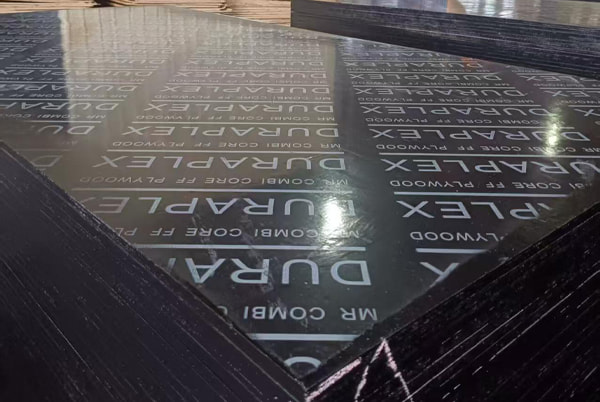
📌 The “Custom Size” Strategy: Why stick to 4×8?
In the local Thai market, you buy what is in stock. Usually, that’s 1220x2440mm.
But back in the plywood capital of China (Linyi), production is flexible.
For us, changing the size of a board is as simple as adjusting the settings on the cutting machine. It costs almost nothing extra.
- 🔹
The Door Factory Example:Standard door size in Thailand is often 800x2000mm or 900x2100mm.If you buy a 4×8 (1220x2440mm) sheet, you cut off and waste a huge strip on the side and bottom.- → The Smart Move: We can have the factory produce 3×7 ft (915x2135mm) or 3×6 ft boards specifically for you.
- → The Result: You pay for exactly the square footage you need. Zero waste. Zero disposal costs.
📌 Decoding the Grades: AA, BB, CC… What do you actually need?
I often see buyers paying for “AA Grade” plywood, only to cover it up with High-Pressure Laminate (HPL) or dark paint. This is a waste of money.
Plywood grading (like BB/CC) refers only to the appearance of the face and back veneers. It has nothing to do with strength.
Here is how I advise my clients to spend their budget wisely:
💡 Key Insight: Matching the grade to your final finish can save you 15-20% on material costs!
- 🔹
Scenario A: You are painting it White / Solid Color.- → Don’t Buy: AA or BB face.
- → Buy: CC Grade Face. It might have some mineral streaks or repaired knots, but once you apply the primer and paint, no one will know. Why pay 15% more for a pretty wood grain you are going to cover up?
- 🔹
Scenario B: You are applying HPL or Veneer.- → Don’t Buy: Smooth sanded AA.
- → Buy: Un-sanded or Rough Sanded BB/CC. Actually, a slightly rougher surface helps the glue bond better with the HPL.
- 🔹
Scenario C: Clear Varnish / Stain (The “Natural Look”).- → Buy: BB/CC or BB/BB. This is the only time you should pay for a clean, knot-free face.
📌 The “Thickness Trap”: Nominal vs. Actual
This is an open secret in the Thai building material trade.
You order “15mm”. You pay for “15mm”. But the caliper reads 13.8mm.
This is called “Negative Tolerance.” In local street shops, this is standard practice to keep prices looking low. But for a factory using CNC machines, this is a nightmare. A 1.2mm difference can cause loose joints, misaligned hinges, and weak structures.
⚠️ Warning: Negative tolerance can cause CNC machining errors and structural weaknesses in your final product!
Our Platform Standard:
We believe in defining the spec clearly.
- 🔹 If you want Actual 15.0mm, we produce with calibration sanding to hit exactly 15.0mm (+/- 0.2mm).
- 🔹 If you want Market Standard (14.0mm) to save cost, we will label it as “14.0mm” on the invoice.
- 🔹 Transparency matters. You should know exactly how much wood fiber you are paying for.
[Conclusion: Optimize, Don’t Just Buy]
Sourcing is not just about asking “What is the price of a 4×8 sheet?”
It is about asking: “What is the cost per finished unit of my product?”
If switching to a custom 3×7 size saves you 20% in waste, that is far more valuable than a 5% discount on the unit price.
The Plywood Hub (China) acts as your technical bridge.
Send us your cutting list or product drawings. Let us calculate if a custom size or a specific grade combination can improve your factory’s yield.
🔥 Verified Products
-
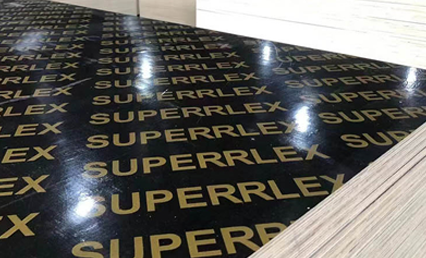 Score: 4.8 ★★★★★
 -
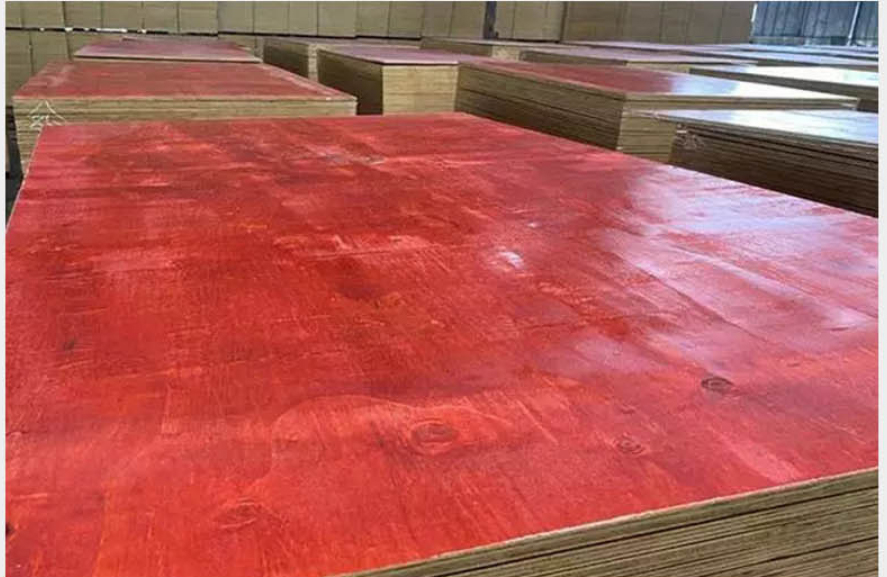 Score: 4.9 ★★★★★
🏭 Recommended Factories
-
 ✅ Verified Partner


