
The Math of Construction: Why “Expensive” Plywood is Actually Cheaper for Your High-Rise
[Introduction: The 450 Baht vs. 750 Baht Dilemma]
Every procurement manager in Bangkok faces the same choice when starting a new project:
Should I buy the cheap black film plywood for 450 Baht, or the premium phenolic board for 750 Baht?
Intuitively, saving 300 Baht per sheet feels like a huge win for the company.
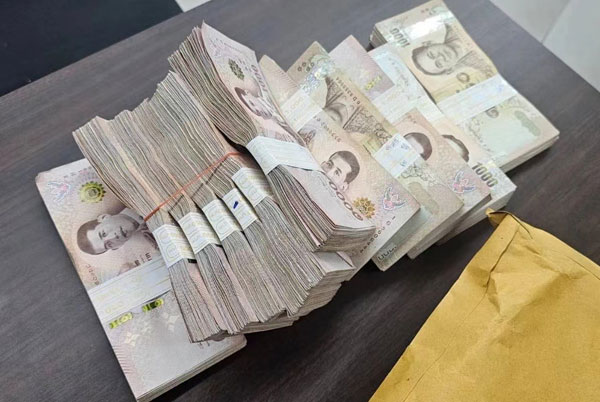
But as someone who has supplied hundreds of construction sites, I have seen the reality. The “cheap” board swells and breaks after 3 uses. You have to stop work, clear the waste, and buy new boards again.
By the time you finish the 20th floor, you realize: Buying cheap was the most expensive mistake.
At The Plywood Hub, we don’t just sell wood; we help you do the math. Today, let’s ignore the “Unit Price” and focus on the only number that matters: “Cost Per Use.”
1. The Formula: Cost Per Use (CPU)
Let’s break down the economics of a typical 30-story condo project in Thailand.
💸 Option A: The “Cheap” Market Board (Poplar One-Time Press)
🏆 Option B: The “Premium” Factory Direct Board (Eucalyptus Two-Time Press)
⚖️ The Verdict
Even though Option B looks 60% more expensive on the invoice, it is actually 45% CHEAPER in reality.
For a large project using 10,000 sheets, choosing the premium board puts millions of Baht of pure profit back into your pocket.
2. Matching the Board to the Project
I am not saying you should always buy the most expensive board. That would be bad advice.
As your sourcing partner, I recommend matching the Grade to your Building Height:
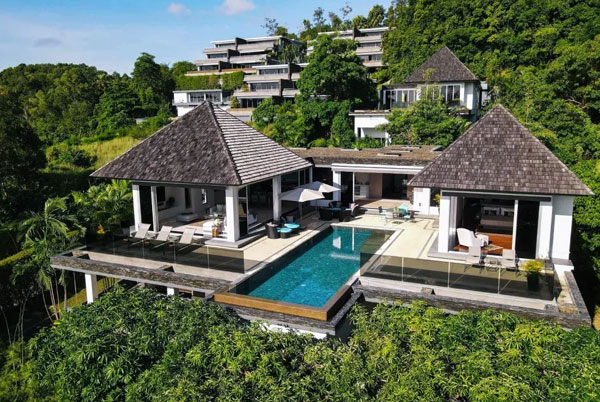
🏡 Scenario 1: Low-Rise (Villas, Townhouses, <5 Floors)
🏢 Scenario 2: Mid-Rise & Commercial (5-15 Floors)
🏙️ Scenario 3: High-Rise (Condos, Hotels, >20 Floors)
3. The Hidden “Labor Cost” Factor
There is one more hidden cost that cheap plywood incurs: Carpentry Labor.
When you buy cheap “One-Time Press” boards, the thickness varies. One sheet is 17mm, the next is 18.5mm.
⚠️ The Problem
✅ Our Solution
We supply Two-Time Press (Calibrated) boards. The thickness tolerance is within +/- 0.2mm.
4. Buying Direct: How to Plan?
Many Thai contractors buy from local shops daily because they didn’t plan ahead. This convenience costs you 20-30% in middleman markups.
If your project timeline is longer than 3 months, Direct Sourcing is a no-brainer.
📋 Direct Sourcing Details
⏱️ Lead Time
Give us 25-30 days (Production + Shipping to Laem Chabang/Bangkok).
📦 MOQ
Just one container (approx. 1,000 sheets).
🎁 Bonus
We can print your Construction Company’s Logo on the film for free. It’s great anti-theft protection and free advertising on site.
[Conclusion: Don’t Save Pennies to Lose Baht]
In construction, the most expensive material is the one that fails.
The Plywood Hub (China) is here to help you optimize.
Don’t just ask for “18mm plywood.” Tell us: “I am building a 25-story tower.”
We will calculate the exact grade and quantity you need to minimize your Cost Per Use.
🔥 Verified Products
-
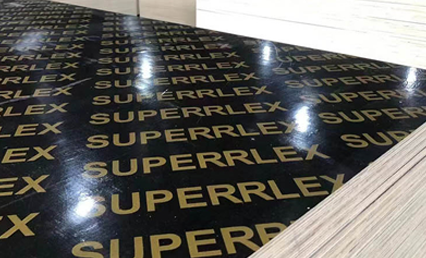 Score: 4.8 ★★★★★
 -
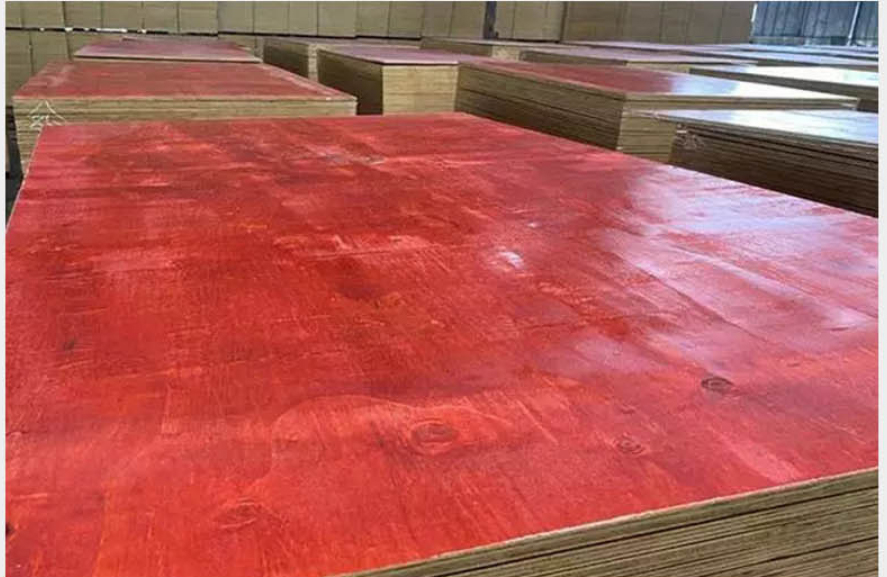 Score: 4.9 ★★★★★
🏭 Recommended Factories
-
 ✅ Verified Partner


